Capabilities
Your programme, made under one roof
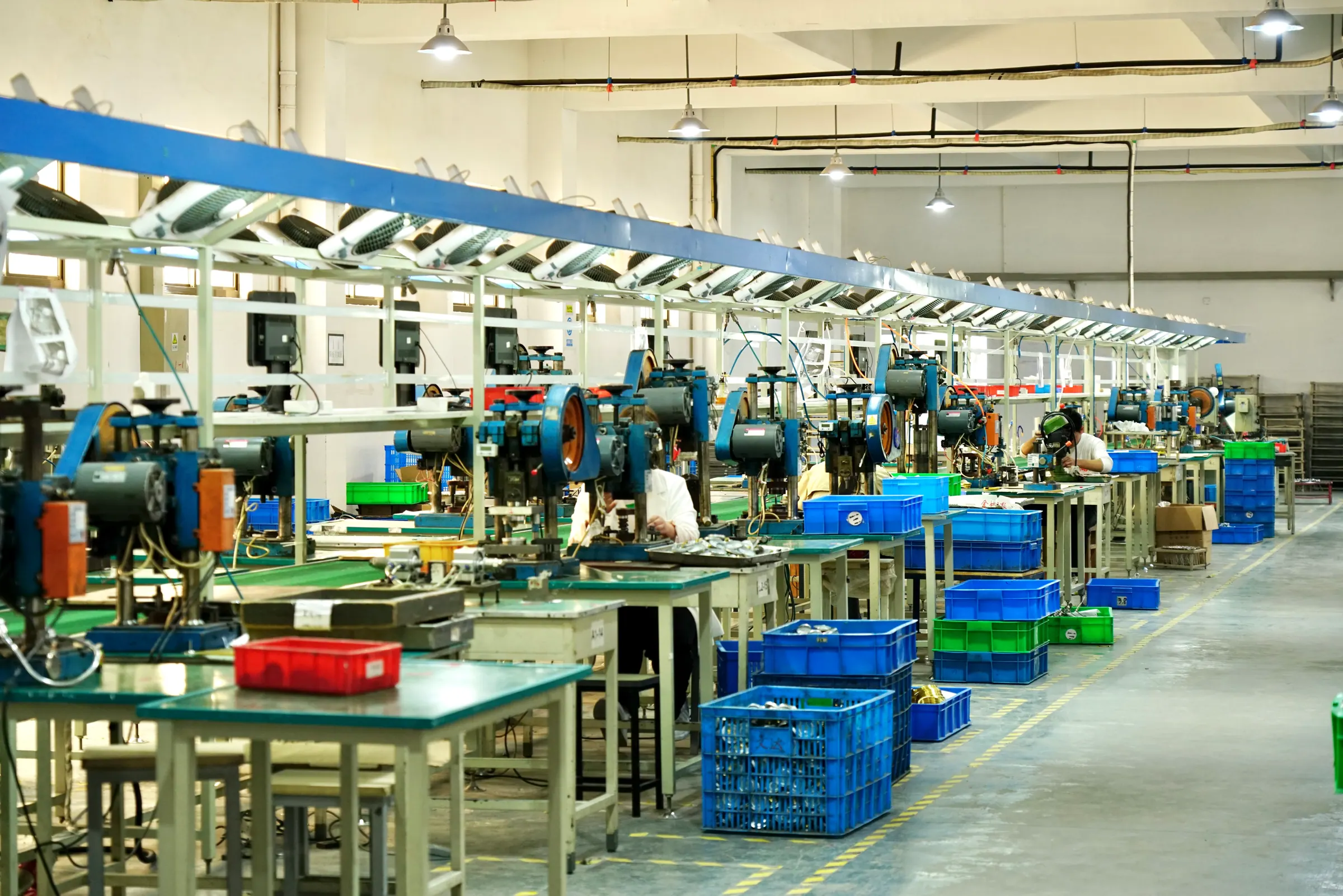
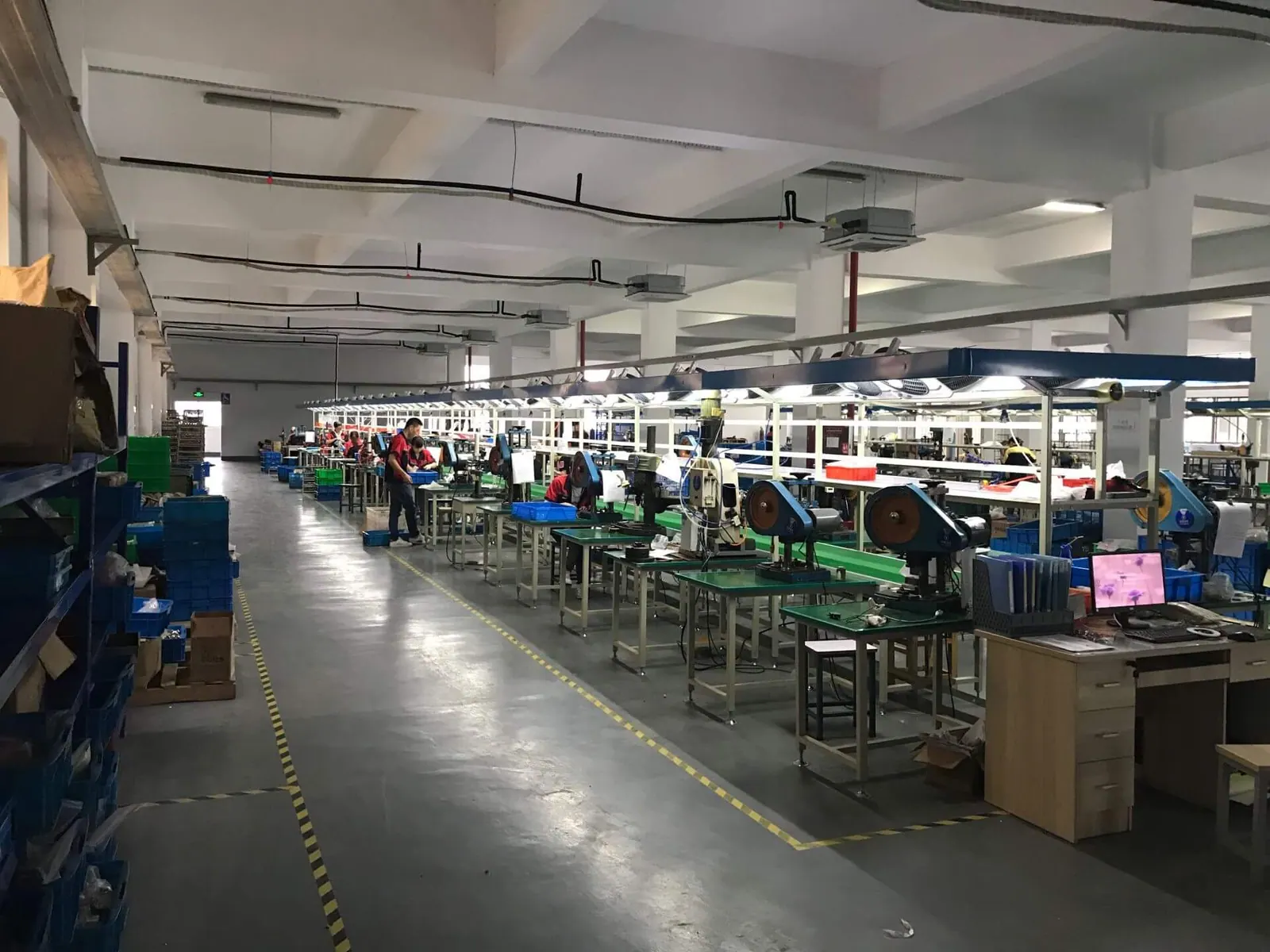
OEM and ODM thermometer programmes with the craft kept in-house: dial printing, assembly and calibration happen in the same plant that packs the carton. Nothing is subcontracted to a trading house.
- Programmes
- OEM and ODM
- Production floor
- 11,500 m²
- In-house craft
- Print, assemble, calibrate
- Shipping
- FOB Ningbo
What the export desk handles
OEM and ODM programmes, from dial artwork to retail packaging
Drawing and sample service before tooling commitment
Bimetal, capillary, gas-actuated and electronic sensing in one plant
In-house dial printing, case assembly and calibration
Container consolidation and FOB Ningbo shipping
How the instrument is made
- 01
Dial printing
Artwork arrives from your file, or the export desk builds it from a sample or a reference. Scale, units, language, logo and colour are printed in the plant, and the dial is formed and punched on the same line.
- 02
Assembly
Case, bimetal coil, stem, lens and pointer come together here. Kitchen and household dials, industrial stems and the electronic lines share one floor, so a mixed order does not get split across suppliers.
- 03
Calibration and packing
Instruments are compared against a reference and the pointer is set before packing. Nothing leaves the site waiting on a third party between the line and the carton.
Your brand, from the dial out
OEM work takes your brand through the whole instrument: dial layout, logo placement, language and carton print. You supply the artwork and the export desk returns the dial proof before the line runs.
ODM work starts from a catalogue model and changes what matters to your market: scale and units, dial size, stem length, packaging. Either way the instrument is built on the floor that prints the dial, so a logo change never becomes a supply chain change.
Drawing and sample service
Send a drawing, a competitor sample or a model code. A sample instrument is built and shipped to you, and that approved sample becomes the reference for the production run.
Tooling is only committed after the sample is approved, so the cost of a change stays where it belongs, before the run.
Start with a sampleFrom the line to the container
- Port
- Ningbo. The production base sits inside the Ningbo manufacturing belt, so the container is filled close to the line.
- Standard term
- FOB Ningbo, agreed per order before production starts.
- Consolidation
- Mixed models and mixed ranges are consolidated into one container, which is the usual route for distributors carrying the full catalogue.
- Packing
- Shelf-ready cartons with your print and labels, or plain export cartons for buyers who repack at their own warehouse.
- Documents
- Certificates and test reports that apply to your model and your market are issued on request.
Send the model, the market and the quantity
The export desk returns a quotation with the model, the minimum, the packing and the shipping term. If something is unclear, the reply will be a question rather than a guess.